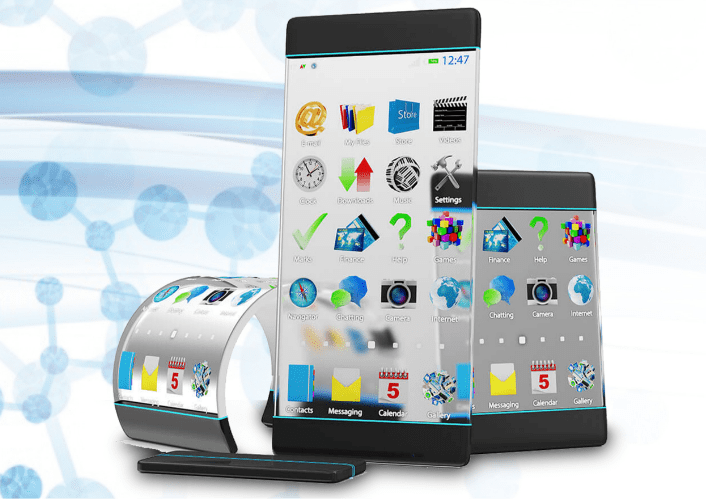
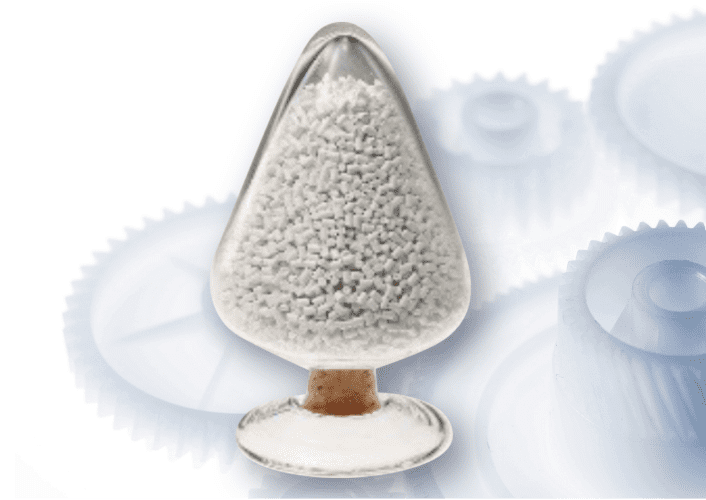
Otsuka Chemical's POTICON resin composite material is a composite material made by compounding potassium titanate fiber "TISMO" with thermoplastic resin. This material has micro reinforcement, surface smoothness, dimensional stability, and friction and wear resistance.
POTICON
The addition of potassium titanate fiber, a fine filler, to thermoplastic resin reinforces fine areas and provides excellent dimensional stability. In addition, it has low aggressiveness to mating materials and enables grease-free molding. It also contributes to cost reductions due to its low damage to molding machines and molds and excellent recyclability.
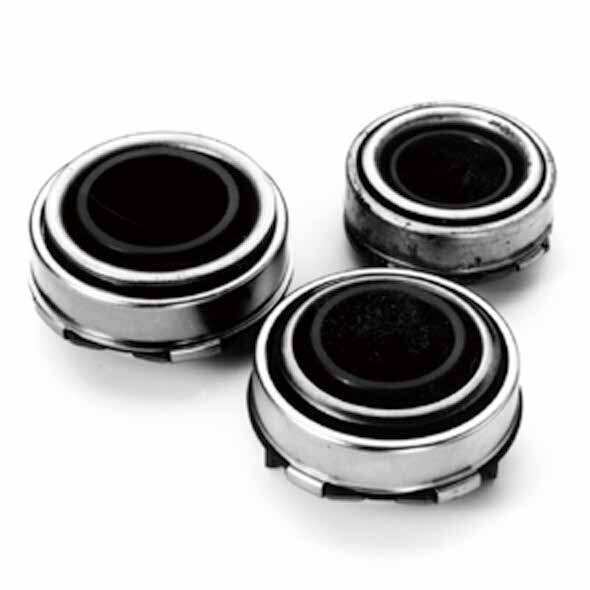
WHISTATT
WHISTATT is a conductive composite resin with conductivity added to POTICON. Micro-reinforcement and the formation of a conductive bypass with a three-dimensional mesh structure minimize resistance variations in molded products.
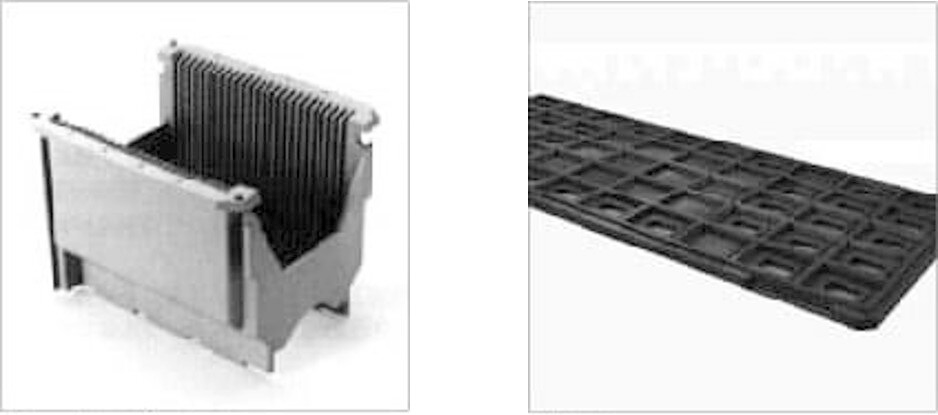
High Dielectric POTICON
Dielectric composite materials for use in the high-frequency bandwidths associated with the advancement of information and communications. This state-of-the-art composite series has a low dielectric loss tangent, low dielectric constant, and high dielectric constant through strict control of dielectric properties.
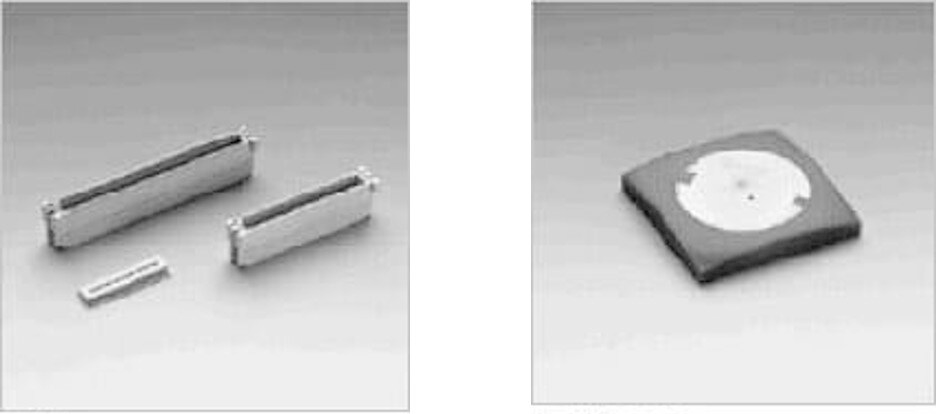
POTICON for Film
POTICON for Film" has low water absorption and good electrical properties in the high-frequency range. It also has extremely high flexibility and tearing strength, which is not possible with ordinary filler-filled film materials.
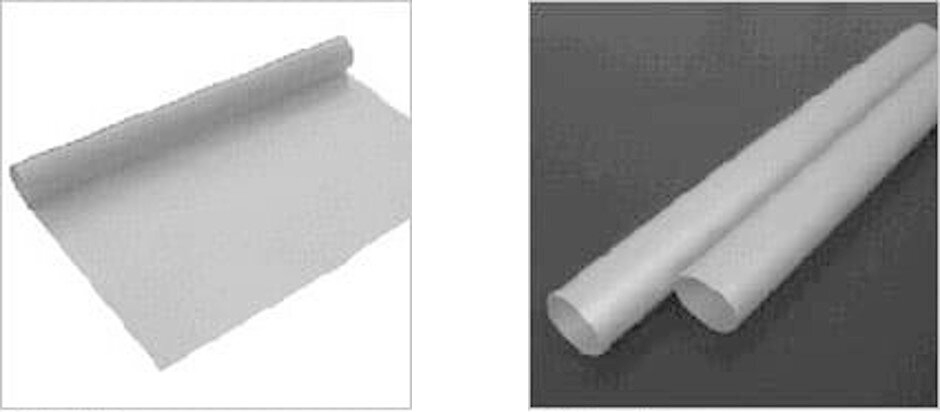
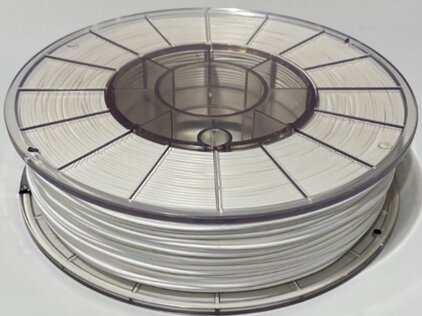
Poticon Filaments
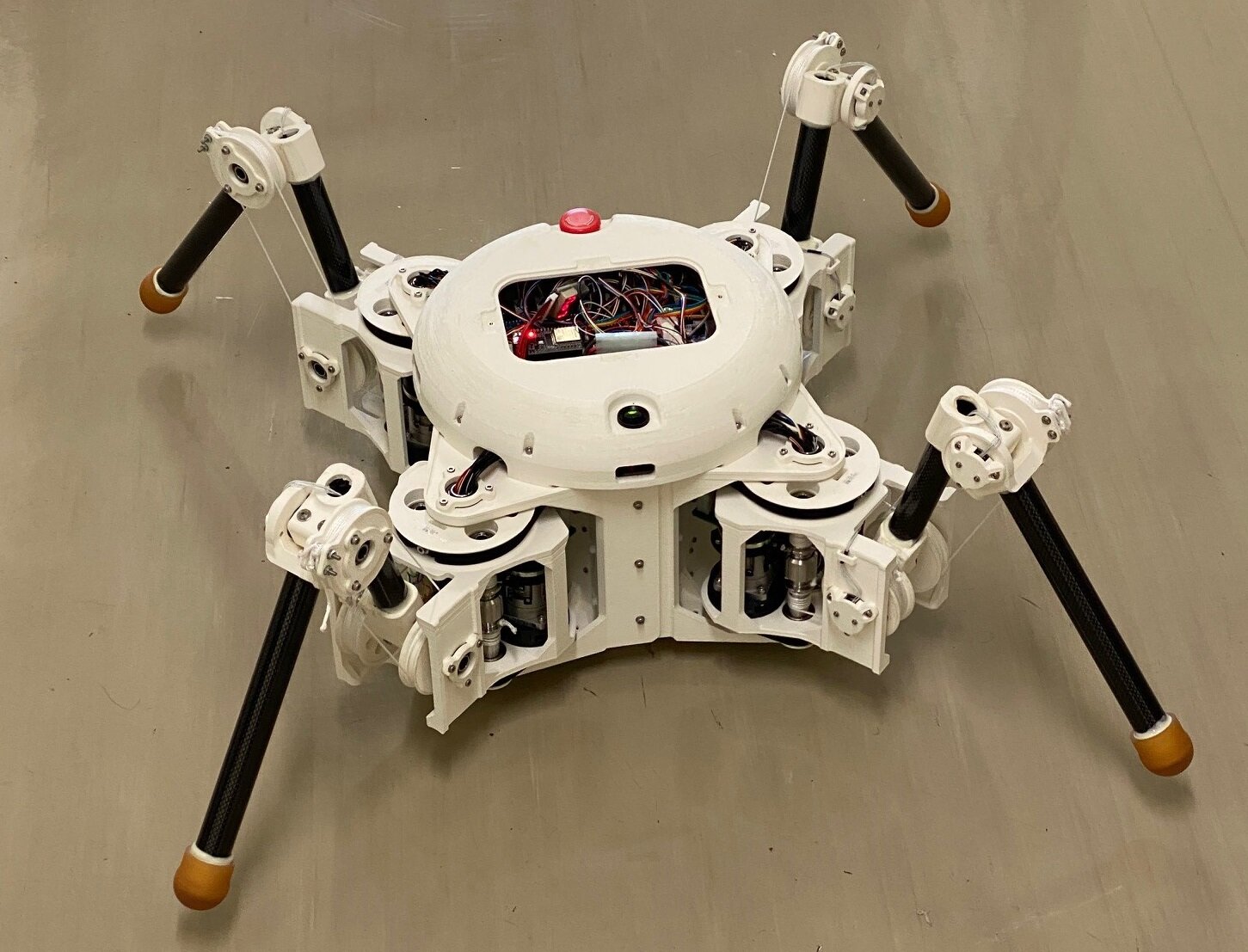
This 3D printer filament features high dimensional accuracy and precision moldability, and can be used to mold robots and other functional parts.
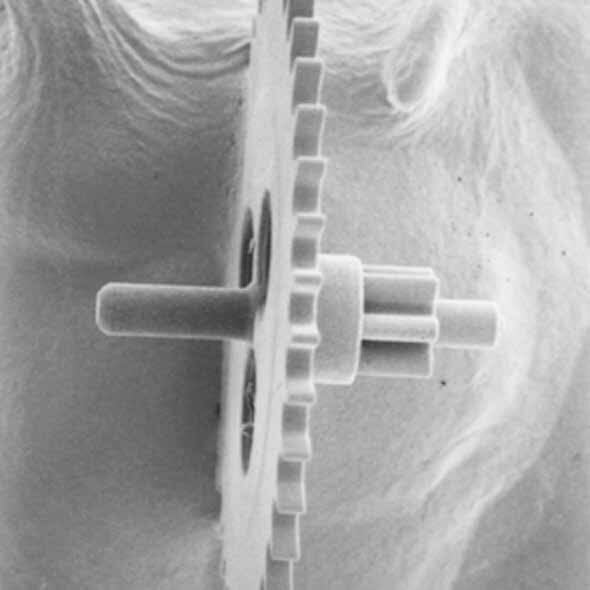
POTICON gear
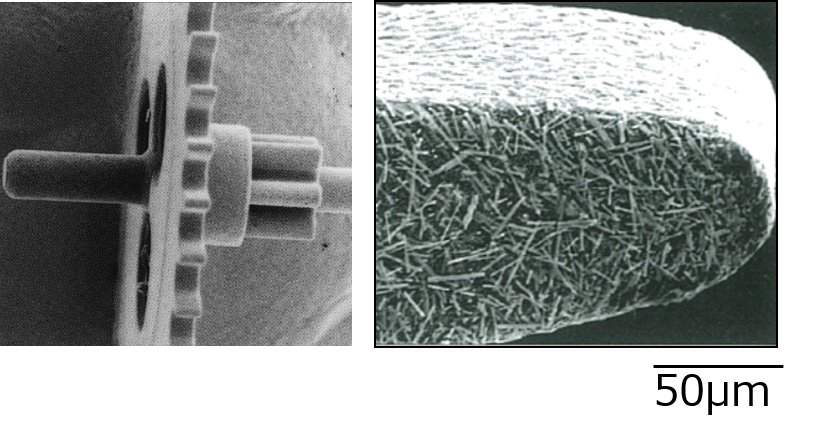
Leveraging the technology cultivated in the use of POTICON, we provided these molded products.We provide comprehensive solutions related to gears.
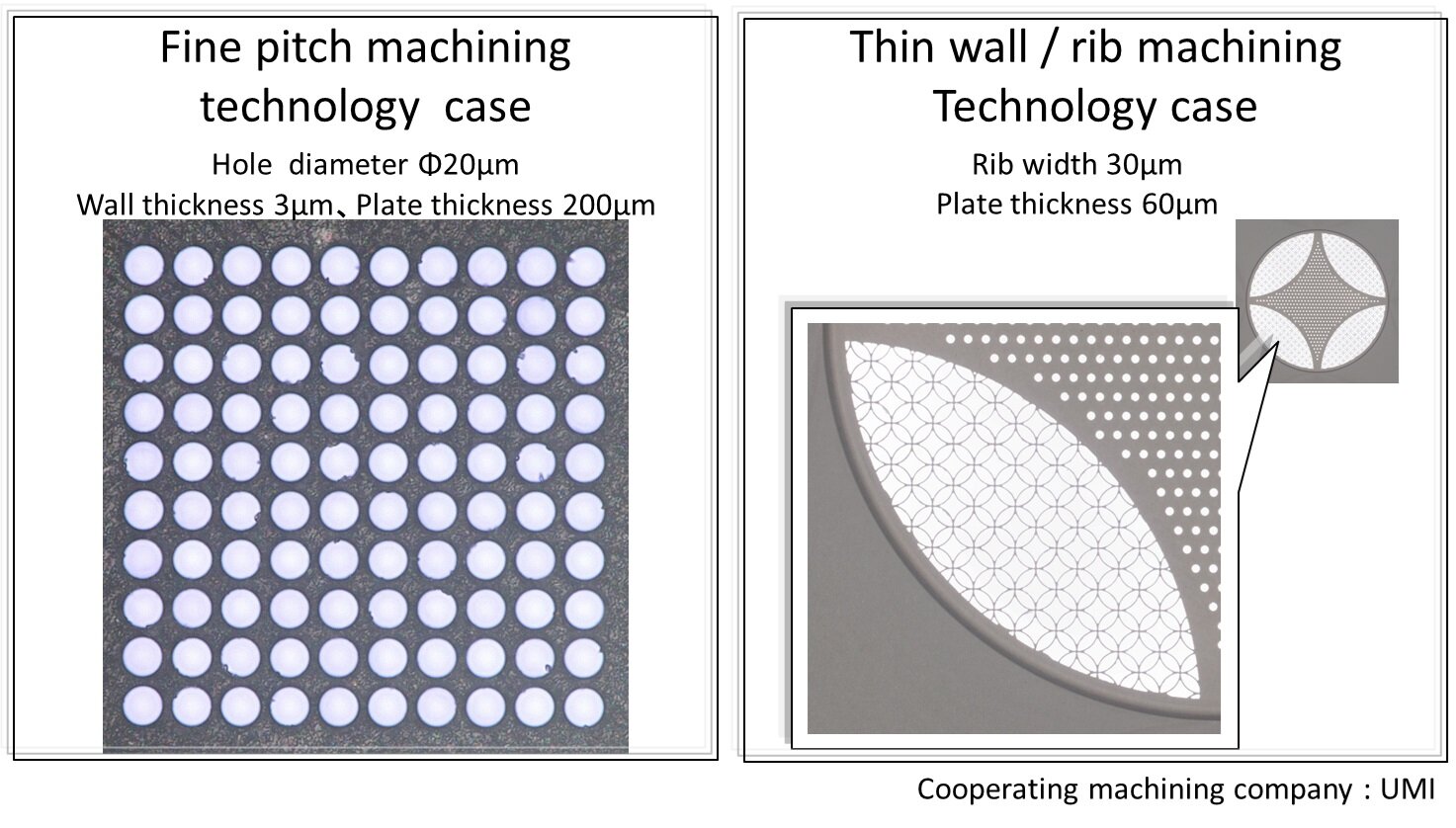
POTICON plate material for semiconductor test jigs
We developed a plate material with excellent micromachinability as well as the micro-level reinforcement and wear resistance that are characteristic properties POTICON. Because the demand for higher-density implementations of electronic components, semiconductor chips are shifting to using multiple pins and narrower pitches between pins while MLCCs are transitioning to an ultrasmall size. In this context, electronic component test jigs are increasingly expected to meet subtle and precise machining requirements. Using a POTICON plate material makes it easy to manufacture micromachined products at a high level.